Moving to Thailand – whether you’re coming from Europe, the US, or elsewhere in Asia – can be one of the most rewarding life decisions you make. From sunny beaches and rich cultural heritage to modern cities and affordable cost of living, Thailand is a destination that offers something for everyone. But moving halfway across the world is a big step. With customs procedures, visa paperwork, housing searches, and lifestyle adjustments, it’s easy to feel overwhelmed before arrival.
This guide breaks down everything you need to know to make your move to Thailand as smooth and stress-free as possible — from planning months ahead to settling in during your first month and beyond.

Why Thailand Still Attracts Expats & Families
A Balanced Lifestyle: From City Hustle to Island Calm
Thailand is unique because it offers a wide range of living environments. Want the energy and convenience of a modern city? You’ll likely choose capital areas like Bangkok. Prefer laid-back beach living or a slower pace? Cities and provinces like Phuket, Chiang Mai, Hua Hin, or Koh Samui deliver in spades.
That flexibility makes Thailand suitable for absolutely different lifestyles — digital nomads, retirees, families, remote workers, or people aiming to relocate for business or investment.
Affordable Living Compared to Many Western Countries
Living in Thailand often means enjoying a standard of living that would cost much more elsewhere. Rent, utilities, daily food, and local services tend to be far cheaper than in many Western nations — giving expats more room to enjoy life.
Warm Culture, Friendly Locals & Growing Expat Community
Thailand’s friendly atmosphere, combined with a large and growing community of expatriates, makes it easier for newcomers to integrate. From local markets to international schools and coworking spaces, the support systems to help expats settle are increasingly accessible.
Planning Your Move — What to Do Before Relocating to Thailand
Before you get caught up in the excitement, it’s vital to plan. Here’s a pre-move checklist many seasoned expats and relocation experts recommend.
Visa & Long-Term Stay Considerations
Depending on your purpose and duration of stay, Thailand offers various visa types: work visa, business visa, retirement visa, DTV visa, or long-term resident visa (for eligible applicants). Each type has its own requirements — passport validity, proof of funds or employment, accommodation confirmation, and more. Start early and double-check requirements.
Financial Buffer & Budget Planning
Even though Thailand is affordable, you should budget carefully — especially for the first few months. That includes:
- Initial rental deposit (often 2 months + 1 month advance)
- Utilities, internet setup, and daily expenses
- Potential shipping costs for furniture or personal belongings
- Emergency fund (3–6 months recommended) — useful if you’re job hunting or setting up a business
Housing Strategy & Neighborhood Research
Rather than committing right away, many expatriates start with short-term housing (serviced apartments or short-term rentals) while exploring different neighborhoods. This gives flexibility and helps you find a location that suits your work, lifestyle, and commute preferences.
Shipping vs Buying Locally: What Makes Sense?
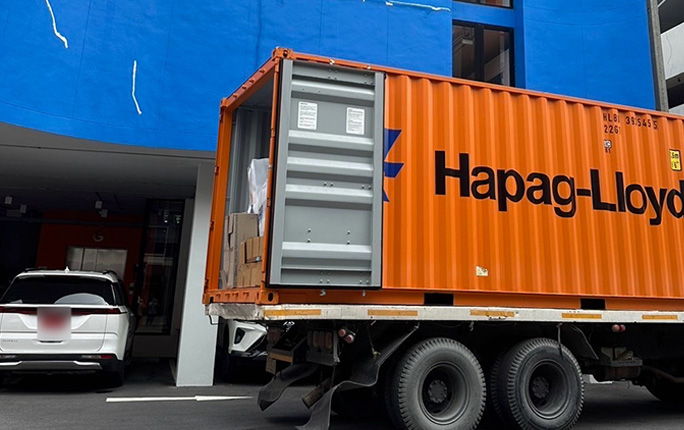
If you have a full household — furniture, appliances, books, personal items — shipping makes sense. If you choose to ship, make sure to plan and contact a moving company in Thailand well in advance, prepare accurate inventory lists, and check customs/import procedures thoroughly.
Shipping Your Belongings to Thailand: Logistics and Pitfalls
International moving, especially when moving a full home, involves multiple steps. Here’s what to watch out for:
Professional Packing & Secure Transport
Using strong boxes, protective wrapping, crates (for fragile or heavy items), and moisture protection is crucial. Professional movers like A1 Relocations will offer these services so your belongings arrive safely and intact.
Freight Options: Sea, Air, or Road
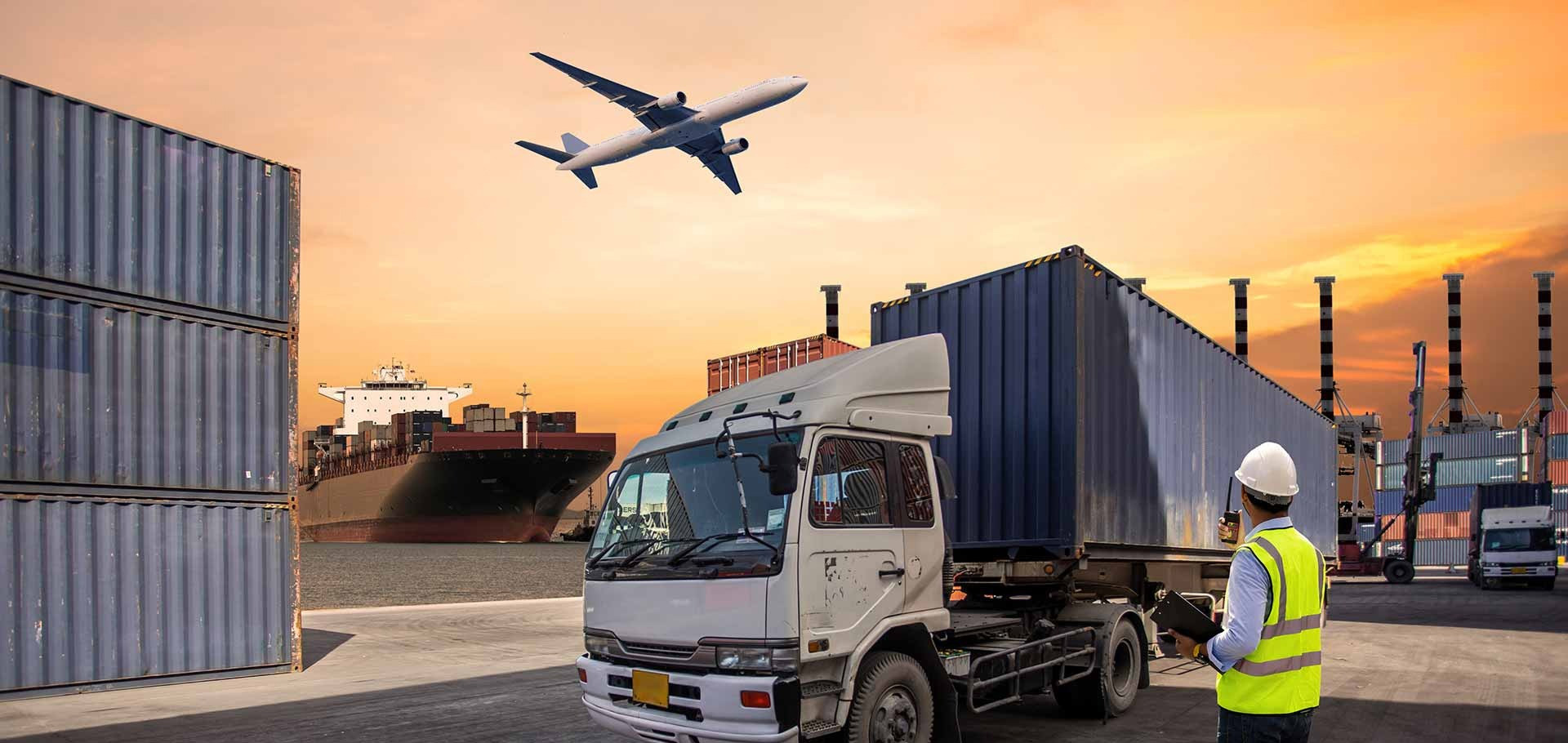
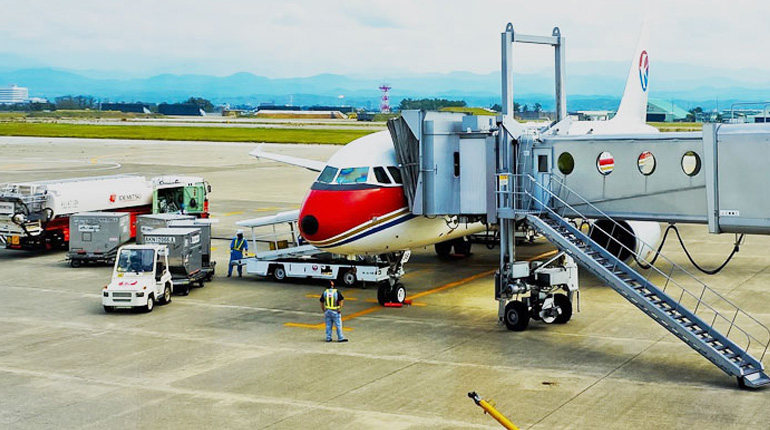
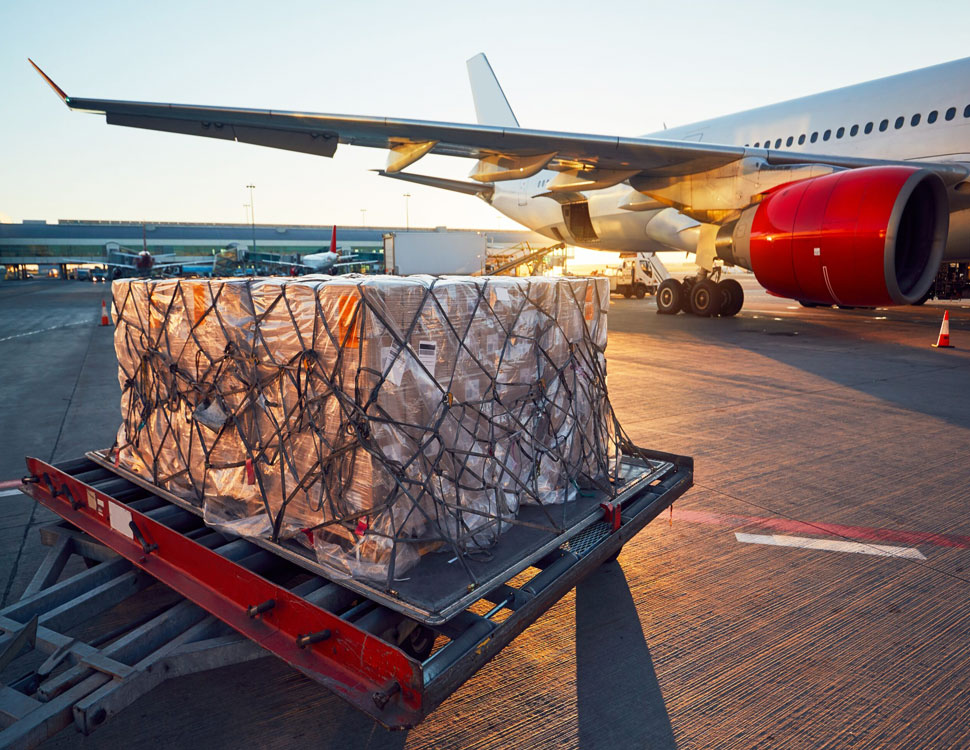
Your choice depends on volume, budget, and timing. Sea freight often is more economical for large shipments, though slower. Air freight is faster but more expensive — ideal for urgent, smaller shipments.
Customs Clearance & Legal Compliance
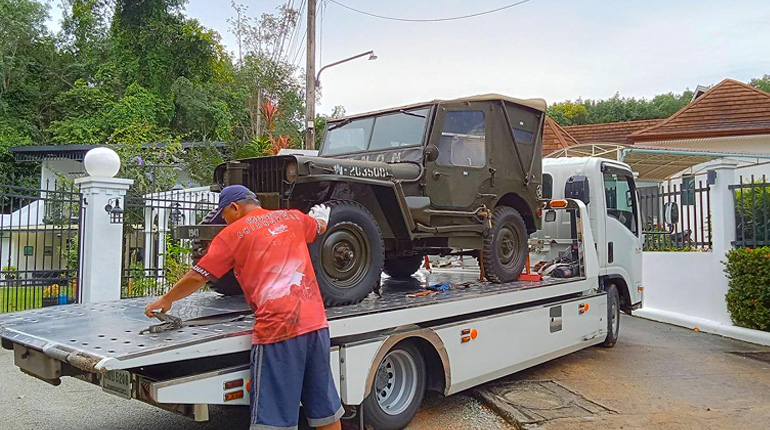
Thailand has customs regulations (BACKLINK TO CUSTOMS CLEARANCE SERVICE PAGE) for importing personal/belonging items. If you attempt to bring in household goods, furniture, or vehicles, you must prepare a detailed inventory, declare items properly (used vs new), and comply with applicable restrictions. Mistakes can cause delays or extra taxes.
Consider Storage & Delivery Timelines
Sometimes, you may arrive before your shipment — or lease a property later. Having a temporary storage option (BACKLINK TO STORAGE SERVICE PAGE) (warehouse or secure storage) can give breathing room. Also, you need to plan delivery, unpacking, and setup carefully after arrival.
First 30–60 Days in Thailand — What to Get Done Immediately
Once you land in Thailand — congratulations! But the next few weeks are critical for setting things up right.
Legal & Administrative Tasks
- Finalize visa/work permit registrations (if applicable)
- If required: register your residence address / report to immigration
- Open a Thai bank account
- Get a local SIM / data plan
Housing: Finalizing Long-Term Lease
If you started with short-term stay, now’s a good time to hunt for long-term accommodation — condos, apartments, or houses depending on your preference and location. Visit personally, check the neighborhood, traffic/commute, access to public transport, amenities, etc.
Daily Life Setup
Get grocers, utilities, internet, and transport sorted. If you’re in a city, learn public transit options; if outside big cities — consider whether to rent or buy a motorbike or vehicle.
Social Integration & Cultural Adaptation
Learn a few basic Thai phrases. Explore local markets, meet other expats and locals, and get involved in community or social groups. Adjusting lifestyle and expectations early helps you blend in and feel at home faster.
Longer-Term Stay: How to Make the Most of Your Move to Thailand
Relocating to Bangkok, Phuket, or Chiang Mai isn’t just about arriving — it’s about building a life. Here are some tips for long-term expat living:
- Choose housing that balances convenience (transport, amenities) with affordability — for many, proximity to work or public transit outweighs size or luxury
- Respect and understand Thai culture — politeness, respect for elders, local norms go a long way
- Consider health coverage or local insurance options (private or public) — good for peace of mind
- If working — ensure legal compliance (visa/work permit, taxes, employment contracts)
- Always have flexibility: ex-pats who adapt tend to thrive — being open, patient, and curious helps
Why Partnering with a Professional Relocation Firm Makes Sense
While many aspects of moving can be done independently, working with an experienced moving company — especially when moving internationally — saves time, stress, and potential mistakes. Here’s why:
- They handle packing, packing materials, secure crates/boxes — which saves you the hassle of sourcing materials yourself
- They coordinate transport (sea/air), customs clearance, documentation, and delivery — which is especially useful if you’re unfamiliar with Thai import regulations and shipping laws
- For larger moves (furniture, multiple rooms, vehicles, pets), a professional ensures a safe, organized process with fewer risks of damage, delays, or legal trouble
- They often offer flexible storage — giving you time to settle first, find accommodation, then receive your belongings when you’re ready
If your move involves multiple stages — shipping from abroad, short-term stay upon arrival, eventual long-term housing, maybe pets — having a single point of contact and a full-service relocation partner makes the difference between a chaotic move and a smooth one.
Final Thoughts: Move Smart, Live Better in Thailand
Thailand is more than just a destination — it’s an opportunity: a chance to live with fewer expenses, deeper culture, diverse lifestyle options, and more flexibility. But making that dream come true means preparing properly, knowing what to expect, and being ready to adapt.
Whether you’re a professional seeking new opportunities, a retiree looking for comfort and new experiences, or a family chasing new adventures — relocating to Thailand can be incredibly rewarding.
With careful planning, realistic expectations, and maybe a little help from experienced relocation specialists — you’re not just moving — you’re starting a fresh chapter of life.
Ready to take the next step? Let’s make your move to Thailand smooth, safe, and full of potential.